Josh Belcher • July 3, 2026

Should I Repair or Replace My Aging HVAC System in Georgetown?

If your HVAC system is more than 10 to 15 years old, compare the unit's age multiplied by the repair cost using the Rule of 5,000. A lower result often supports repair, while a higher result usually indicates replacement is the more practical long-term investment. Factors such as energy efficiency, comfort, repair frequency, and utility costs should also influence your decision.


Decide Between Repairing and Replacing an HVAC System


Every homeowner wants to make the most cost-effective choice when an aging heating and cooling system begins showing signs of trouble. While a repair may restore operation today, repeated service calls can quickly add up. A replacement requires a larger upfront investment but often delivers greater efficiency, improved indoor comfort, and lower operating costs over many years.


Rather than making a decision based solely on today's repair estimate, it helps to evaluate the complete picture. Consider:


  • Age of the equipment
  • Cost of the current repair
  • Frequency of recent breakdowns
  • Energy consumption
  • Indoor comfort and airflow
  • Availability of replacement parts
  • Manufacturer warranty status

Looking at all these factors together helps homeowners make a confident decision instead of reacting to an unexpected breakdown.


What Is the Rule of 5,000 and Why Does It Matter?


The Rule of 5,000 is a simple evaluation method used by many HVAC professionals.


Formula:

Age of the system × Estimated repair cost

Evaluation Guide

  • Below 5,000: Repairing the system is often the practical choice.
  • Around 5,000: Compare efficiency, reliability, and future repair expectations before deciding.
  • Above 5,000: Replacing the equipment is generally the better long-term investment.


Example

A 12-year-old system needs an $850 repair.

12 × 850 =
10,200

Since the result exceeds 5,000, replacement is likely to provide greater value over the coming years.

This guideline is not a strict rule, but it offers a logical starting point when evaluating an aging HVAC system.


What Other Factors Should Influence Your Decision?


The Rule of 5,000 provides a useful calculation, but it should never be the only factor considered.


  • Energy Efficiency

Modern HVAC equipment commonly reaches much higher efficiency ratings than systems installed 15 or 20 years ago. Higher Seasonal Energy Efficiency Ratio (SEER2) ratings help reduce electricity consumption during Kentucky's hot summers.

Even moderate efficiency improvements can produce noticeable savings over several cooling seasons.

  • Repair Frequency

A system that requires multiple repairs within one or two years may become increasingly expensive to maintain. Replacing several major components one after another often costs more than investing in new equipment.

  • Indoor Comfort

Uneven temperatures, excessive humidity, poor airflow, and constant cycling may indicate declining system performance. Even after repairs, older equipment may struggle to maintain consistent comfort throughout the home.

  • Parts Availability

Manufacturers eventually discontinue replacement components. Older units sometimes require specialty parts that increase repair costs and extend downtime.

Signs That Suggest Repair May Still Be the Right Choice


Not every HVAC problem requires complete replacement.

Repairing your system often makes sense when:

  • The equipment is under 10 years old.
  • The repair is relatively inexpensive.
  • The system has been dependable.
  • Energy bills remain consistent.
  • Cooling and heating performance remain strong.
  • The repair addresses normal wear rather than multiple major failures.


In these situations, professional HVAC repair services can often restore dependable operation while extending the system's remaining lifespan.


When Does Replacement Become the Smarter Investment?


Certain warning signs suggest replacement provides better long-term value.


Consider replacement if you notice:

  1. Your system is older than 15 years.
  2. Repairs have become increasingly frequent.
  3. Utility bills continue rising despite maintenance.
  4. Rooms no longer cool or heat evenly.
  5. The compressor or heat exchanger has failed.
  6. Replacement parts are difficult to obtain.
  7. Repair estimates exceed the value of continued operation.

When these issues occur together, investing in AC replacement often improves reliability while reducing future maintenance expenses.

How Long Should an HVAC System Last in Central Kentucky?


Climate plays a major role in HVAC longevity. Central Kentucky experiences warm, humid summers and cold winters, meaning residential systems operate throughout much of the year.


Typical average life expectancy includes:

  • Central air conditioner: 12–15 years
  • Gas furnace: 15–20 years
  • Heat pump: 10–15 years

Regular maintenance, clean filters, annual inspections, and prompt repairs can extend these averages. Neglected systems often experience premature component failure.


New HVAC System Reduces Monthly Utility Costs


Older equipment naturally loses efficiency over time due to wear on compressors, motors, coils, and electrical components.

New systems provide several advantages:

  • Improved energy efficiency
  • More consistent indoor temperatures
  • Better humidity control
  • Quieter operation
  • Smart thermostat compatibility
  • Reduced repair frequency

Many homeowners notice lower monthly utility expenses after replacing outdated equipment with modern high-efficiency systems.

Although savings vary based on home size and usage habits, improved efficiency often helps offset part of the installation investment over the equipment's lifespan.


Replacing Both the Furnace and Air Conditioner Together Is Worth It


Many homeowners wonder whether replacing only one component is enough.

Installing both systems simultaneously often provides several benefits:

  • Equipment is properly matched for maximum efficiency.
  • Installation labor is completed during one project.
  • Manufacturer warranties are easier to manage.
  • Future service compatibility improves.
  • Overall system performance becomes more balanced.


If both pieces of equipment are approaching the end of their service life, replacing them together can be the most economical long-term decision.

What Happens During a Typical Replacement Project?


Understanding the installation process helps reduce uncertainty.

Most residential replacements include:

  1. Inspection of existing equipment.
  2. Proper sizing calculations for the home.
  3. Removal of old equipment.
  4. Installation of new indoor and outdoor components.
  5. Refrigerant charging and electrical connections.
  6. Airflow testing.
  7. System performance verification.
  8. Homeowner walkthrough.

Most standard residential installations are completed within one working day, although more complex projects may require additional time.


Make the Right Decision with Confidence


Choosing between repairing and replacing an aging HVAC system should be based on facts rather than guesswork. Evaluating your equipment using the Rule of 5,000, considering energy efficiency, and understanding long-term operating costs can help you invest wisely in your home's comfort. Whether your situation points toward HVAC repair or a complete AC replacement in Georgetown, KY, making an informed decision today can reduce future expenses and improve year-round performance.

Aces of Air Inc. takes the time to evaluate every system honestly and recommend solutions that fit your home's needs and budget. If you're unsure whether your current HVAC system is worth repairing or replacing, contact the team today to schedule a professional evaluation and receive expert guidance you can trust.


Frequently Asked Questions


1. How do I know if I should repair or replace my HVAC system?

Compare the repair cost with the age of the unit using the Rule of 5,000. Also consider repair history, efficiency, comfort, and expected remaining lifespan.


2. How does the Rule of 5,000 apply to my Georgetown, KY home?

Multiply the age of your HVAC system by the estimated repair cost. Results under 5,000 generally support repair, while significantly higher totals usually indicate replacement offers better long-term value.


3. What is the average lifespan of an air conditioning unit in Central Kentucky?

Most central air conditioning systems last approximately 12 to 15 years with routine maintenance and professional servicing.

4. When does fixing an old air conditioner stop making financial sense?

Repairs become less economical when major components fail repeatedly, repair costs continue increasing, or energy bills rise despite regular maintenance.


5. Can a new heating and cooling system lower my monthly Scott County utility bills?

Yes. Modern high-efficiency equipment generally uses less electricity and operates more effectively, helping reduce monthly heating and cooling expenses.

6. Are there specific signs that point to an immediate furnace replacement?
Yes. Cracked heat exchangers, repeated breakdowns, unsafe operation, and systems exceeding their expected lifespan often indicate replacement should be considered promptly.

7. How long does a standard residential AC replacement installation take?

Most installations can be completed within one day, although larger homes or complex system upgrades may require additional time.


8. Will I save money by replacing my furnace and air conditioner at the same time?

Replacing both systems together often improves efficiency, reduces future labor costs, and ensures the equipment operates as a properly matched system.


9. What should I expect to pay for a typical HVAC repair in Georgetown?

Repair costs vary depending on the failed component, labor requirements, equipment type, and availability of replacement parts. A professional inspection provides the most accurate estimate.


10. Does Aces of Air Inc. provide emergency service options for older systems?

Yes. We understand that heating and cooling emergencies can happen without warning. We work to restore comfort as quickly as possible while helping homeowners determine whether repair or replacement is the better long-term solution.

By Summit Media Agency • October 19, 2026
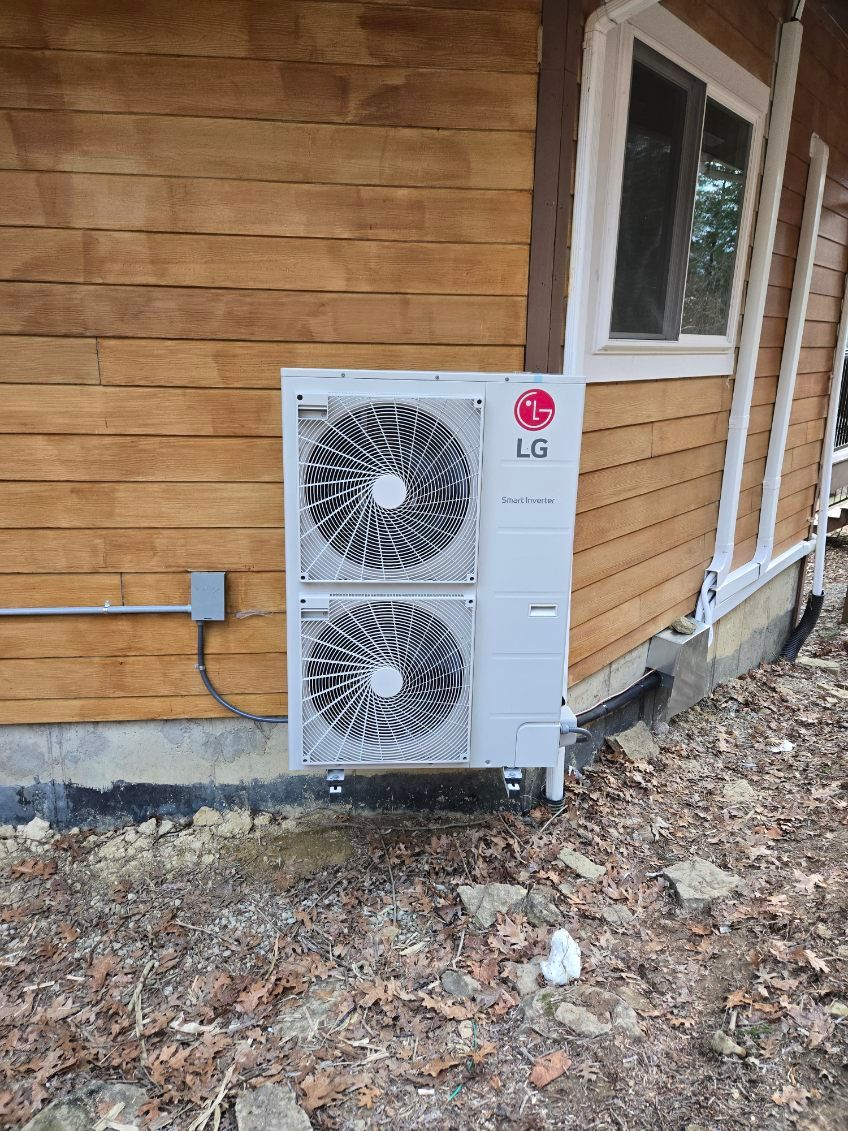
Air conditioner repair in Georgetown, KY is one of the most searched services every summer — and for good reason. Georgetown sits in Scott County, where summer heat regularly pushes past 90°F, humidity climbs fast, and a failing air conditioner is not just uncomfortable — it's a health risk. Whether your system is blowing warm air, cycling constantly, or barely keeping up with the thermostat, knowing the difference between a quick fix and a full HVAC replacement in Georgetown, KY can save you thousands of dollars. This guide walks you through the most common AC warning signs Georgetown homeowners face, when repair makes sense, when replacement is the smarter move, and what local rebates may help offset the cost. Why Georgetown, KY Summers Are So Hard on HVAC Systems Georgetown's climate is classified as humid subtropical — meaning long, hot summers with high moisture in the air. Temperatures routinely hit the low-to-mid 90s from late June through August, and the humidity makes it feel even hotter. During these stretches, your air conditioner may run nearly nonstop for days at a time. That kind of continuous operation is where problems develop. Capacitors fail, refrigerant levels drop, coils ice over, and drainage lines clog. Local HVAC service technicians in Georgetown, KY report that emergency repair calls spike sharply during the first extended heat wave of each summer — typically when systems that went without spring maintenance finally give out. 5 Warning Signs You Need Air Conditioner Repair in Georgetown, KY 1. Your AC Is Blowing Warm or Barely Cool Air This is the most obvious sign — and one of the most common calls for AC repair in Georgetown, KY. If your system is set to 72°F but the air coming from your vents feels lukewarm, the likely culprits are a low refrigerant charge, a failing compressor, or a frozen evaporator coil. Don't ignore it — running a struggling AC harder only accelerates the damage. 2. Your Home Feels Humid Even When the AC Is Running Your air conditioner does double duty — it cools the air and removes moisture. If indoor humidity feels excessive despite the system running, it's often a sign the evaporator coil is dirty, the refrigerant charge is off, or the system is too large for your home (causing it to short-cycle without completing a full dehumidification pass). This is a common complaint during Georgetown summers and typically requires a diagnostic visit from a licensed HVAC repair technician in Georgetown, KY. 3. The System Is Short-Cycling — Starting and Stopping Constantly Short-cycling — when the AC runs for a few minutes, shuts off, and immediately starts again — can indicate an oversized system, a refrigerant leak, a faulty thermostat, or compressor problems. Beyond the discomfort it causes, short-cycling drives up energy bills and dramatically shortens the life of the equipment. A HVAC system repair in Georgetown, KY call sooner rather than later can save the compressor. 4. You're Hearing Unusual Noises — Grinding, Banging, or Squealing A well-maintained air conditioner is relatively quiet. Grinding usually points to motor bearing failure; banging often means a loose or broken component inside the unit; squealing can indicate a worn blower belt. None of these sounds resolve on their own. A licensed technician providing air conditioning repair in Georgetown, KY can diagnose and fix the issue before it leads to a full breakdown mid-summer. 5. Your Energy Bills Have Spiked Without an Obvious Reason If your July utility bill is significantly higher than the same month last year — and your usage habits haven't changed — your AC is working harder than it should be. Dirty coils, low refrigerant, and failing components all force the system to run longer to achieve the same cooling. A properly maintained AC uses far less energy to do the same job. This is one of the clearest signals that HVAC service in Georgetown, KY is overdue. Repair vs. Replacement: How to Decide Not every air conditioner problem is worth repairing. A useful rule of thumb: multiply the age of your system (in years) by the estimated repair cost. If that number exceeds $5,000, replacement is usually the better financial decision. Here's when AC replacement in Georgetown, KY typically makes more sense than repair: → Your system is 12–15 years old or older → It uses R-22 refrigerant (phased out — expensive and increasingly scarce) → The compressor has failed — repair cost often approaches 50–70% of a new unit → You're scheduling multiple repairs per year → Your system is below the current 14.3 SEER2 minimum efficiency standard that took effect in 2023 And here's when a targeted air conditioner repair in Georgetown, KY is the smart call: → The system is under 10 years old and well-maintained → The repair is a single component — capacitor, contactor, TXV, fan motor → The fix costs less than one-third of a new system's price → No refrigerant conversion is required Air Conditioner Installation in Georgetown, KY: What to Expect When repair isn't enough, air conditioner installation in Georgetown, KY is the next step. A properly sized and installed system — matched to your home's square footage, insulation levels, and ductwork — will perform better, last longer, and cost less to run than a system that's the wrong size, even if that system is brand new. The installation process for a new central AC or HVAC system typically includes: → Manual J load calculation to determine the correct system size for your home → Removal and disposal of the old equipment → Installation of the new outdoor condenser and indoor air handler or coil → Refrigerant line set inspection or replacement → Ductwork inspection and sealing where needed → System startup, calibration, and thermostat programming → Walkthrough with the homeowner on filter changes, thermostat settings, and maintenance schedule A quality HVAC replacement in Georgetown, KY should include a written warranty on both the equipment and the installation labor — and your contractor should pull the required permits with Scott County/Georgetown codes as required. Kentucky HVAC Rebates & Incentives — Save on Your Replacement Upgrading to a high-efficiency HVAC system in Georgetown can qualify you for meaningful utility rebates, depending on your electric provider. Georgetown, KY falls within Kentucky Utilities (KU) territory, which offers rebates for qualifying high-efficiency heat pump and central AC installations. As of the most recent program year, Kentucky Utilities offered up to $800 for qualifying high-efficiency heat pump installations depending on SEER2 rating. Louisville Gas & Electric (LG&E) — which serves adjacent areas — has offered similar incentives. Always confirm current program amounts and eligibility directly with KU before purchasing equipment. Additionally, through 2025, homeowners who installed qualifying air-source heat pumps may have been eligible for the federal Section 25C energy efficiency tax credit — up to $2,000. Check with a tax professional regarding your specific situation and filing year. What Makes Georgetown, KY Different: Local HVAC Considerations Georgetown and Scott County have seen consistent residential and commercial growth over the past decade, driven in part by the Toyota plant and surrounding supplier facilities. This growth means plenty of newer construction — but also means many homes built in the late 2000s and early 2010s now have HVAC systems approaching end-of-life. Central Kentucky's summer humidity patterns also make indoor air quality a key concern. HVAC service in Georgetown, KY should include an annual check of drainage lines (a common source of ceiling and wall water damage during high-humidity months) and evaporator coil condition — both of which directly affect how well the system dehumidifies your home. Whether you're in an older home near the downtown historic district or a newer subdivision off Cherry Blossom Way or Paris Pike, finding a reliable HVAC contractor in Georgetown, KY who knows local building codes, utility programs, and seasonal demand patterns is the first step toward keeping your home comfortable and your energy bills manageable all summer long. When to Call for HVAC Repair in Georgetown, KY — Don't Wait The worst time to discover your AC has failed is during a 95-degree July afternoon. HVAC service companies across the Georgetown and Lexington area see demand double and sometimes triple during the first extreme heat event of summer — meaning wait times for HVAC repair in Georgetown, KY can stretch from same-day to several days when everyone needs service at once. The answer is straightforward: schedule a spring tune-up before June, address any warning signs (warm air, strange noises, rising bills) as soon as they appear, and don't wait for a complete breakdown to call for AC repair in Georgetown, KY. A $150 spring maintenance visit is far better than a $1,500 emergency weekend repair call. Frequently Asked Questions Below are the questions Georgetown, KY homeowners ask most often about AC repair, HVAC replacement, and keeping their systems running through the Kentucky summer. 
A woman is sitting on the floor using a laptop computer.
By Tammy Allison • July 24, 2022
When it comes to SEO, there isn't a magic formula to instantly send your site off to the #1 search result on Google. But there are some basic principles you should follow for a wonderful starting point. Here are the top 5 SEO practices to start with: #1 Write for people, not for search engines Always write original, interesting, high quality site content that's error free and relevant to your site. Search engines like Google can easily detect content that is duplicated from elsewhere online, that contains grammatical errors, or that is stuffed with keywords. #2 Add a blog to your site and use rich media To engage your site visitors and blog readers, create posts that include non-textual media like photos, videos, or original visualizations (infographics). Having that extra content (especially if it's captivating) will increase the time users spend on your site as well as the likelihood they will share your site with their own community. #3 Offer a positive user experience throughout your site Google will know if you're using your site to aggressively advertise your service, or if you're being too pushy. Always aim to offer site visitors a pleasant experience on your site. That means clear content, support when needed, and always an option to go back. #4 Create a network of internal links (but don't overdo it) Add links between different pages of your site and your blog, but try to follow a process that feels organic rather than heavy linking meant just for search engine crawlers. Link between pages that make sense, for example, on your services page, link a certain industry specific term, and link it to a blog post you wrote about it, that gives more information on that term. #5 Always check your site's Core Web Vitals Core Web Vitals are a standard site performance standard initially created by Google. The report shows site owners how their site pages perform 'for real,' how long it takes for site visitors to load site pages, and it offers ways to fix issues, if there are any.
Three bottles of the ordinary cosmetics are sitting on a table surrounded by pink petals.
By Tammy Allison • June 29, 2022
When it comes to SEO, there isn't a magic formula to instantly send your site off to the #1 search result on Google. But there are some basic principles you should follow for a wonderful starting point. Here are the top 5 SEO practices to start with: #1 Write for people, not for search engines Always write original, interesting, high quality site content that's error free and relevant to your site. Search engines like Google can easily detect content that is duplicated from elsewhere online, that contains grammatical errors, or that is stuffed with keywords. #2 Add a blog to your site and use rich media To engage your site visitors and blog readers, create posts that include non-textual media like photos, videos, or original visualizations (infographics). Having that extra content (especially if it's captivating) will increase the time users spend on your site as well as the likelihood they will share your site with their own community. #3 Offer a positive user experience throughout your site Google will know if you're using your site to aggressively advertise your service, or if you're being too pushy. Always aim to offer site visitors a pleasant experience on your site. That means clear content, support when needed, and always an option to go back. #4 Create a network of internal links (but don't overdo it) Add links between different pages of your site and your blog, but try to follow a process that feels organic rather than heavy linking meant just for search engine crawlers. Link between pages that make sense, for example, on your services page, link a certain industry specific term, and link it to a blog post you wrote about it, that gives more information on that term. #5 Always check your site's Core Web Vitals Core Web Vitals are a standard site performance standard initially created by Google. The report shows site owners how their site pages perform 'for real,' how long it takes for site visitors to load site pages, and it offers ways to fix issues, if there are any.
Two women are looking at a laptop computer while one of them is holding a cup of coffee.
By Tammy Allison • June 29, 2022
When it comes to SEO, there isn't a magic formula to instantly send your site off to the #1 search result on Google. But there are some basic principles you should follow for a wonderful starting point. Here are the top 5 SEO practices to start with: #1 Write for people, not for search engines Always write original, interesting, high quality site content that's error free and relevant to your site. Search engines like Google can easily detect content that is duplicated from elsewhere online, that contains grammatical errors, or that is stuffed with keywords. #2 Add a blog to your site and use rich media To engage your site visitors and blog readers, create posts that include non-textual media like photos, videos, or original visualizations (infographics). Having that extra content (especially if it's captivating) will increase the time users spend on your site as well as the likelihood they will share your site with their own community. #3 Offer a positive user experience throughout your site Google will know if you're using your site to aggressively advertise your service, or if you're being too pushy. Always aim to offer site visitors a pleasant experience on your site. That means clear content, support when needed, and always an option to go back. #4 Create a network of internal links (but don't overdo it) Add links between different pages of your site and your blog. Try to follow a process that's organic rather than heavy linking meant for search engine crawlers. Link between pages that make sense, for example, on your services page, link a certain industry-specific term to a blog post that gives more information on that term. #5 Always check your site's Core Web Vitals Core Web Vitals are a site performance standard initially created by Google. The report shows site owners how their site pages perform 'for real,' how long it takes for site visitors to load site pages, and it offers ways to fix issues, if there are any.
A woman is drinking a cup of coffee in a park.
By Tammy Allison • June 29, 2022
When it comes to SEO, there isn't a magic formula to instantly send your site off to the #1 search result on Google. But there are some basic principles you should follow for a wonderful starting point. Here are the top 5 SEO practices to start with: #1 Write for people, not for search engines Always write original, interesting, high quality site content that's error free and relevant to your site. Search engines like Google can easily detect content that is duplicated from elsewhere online, that contains grammatical errors, or that is stuffed with keywords. #2 Add a blog to your site and use rich media To engage your site visitors and blog readers, create posts that include non-textual media like photos, videos, or original visualizations (infographics). Having that extra content (especially if it's captivating) will increase the time users spend on your site as well as the likelihood they will share your site with their own community. #3 Offer a positive user experience throughout your site Google will know if you're using your site to aggressively advertise your service, or if you're being too pushy. Always aim to offer site visitors a pleasant experience on your site. That means clear content, support when needed, and always an option to go back. #4 Create a network of internal links (but don't overdo it) Add links between different pages of your site and your blog, but try to follow a process that feels organic rather than heavy linking meant just for search engine crawlers. Link between pages that make sense, for example, on your services page, link a certain industry specific term, and link it to a blog post you wrote about it, that gives more information on that term. #5 Always check your site's Core Web Vitals Core Web Vitals are a standard site performance standard initially created by Google. The report shows site owners how their site pages perform 'for real,' how long it takes for site visitors to load site pages, and it offers ways to fix issues, if there are any.